

In the current fast-paced digital environment, businesses are regularly seeking new ways to enhance their offerings and boost customer satisfaction. One of the key advancements in this field is the development of web-to-print software, which has transformed how print shops operate. This technology allows for the smooth integration of online ordering, customization, and digital printing, providing a streamlined solution that caters to the increasingly personalized needs of consumers.
As the print industry adopts digitalization, web-to-print solutions are changing traditional printing processes. By automating workflows and enabling effective order management, print shops can now deliver tailored products at scale. This article will examine the benefits of web-to-print software, its influence on customer experience, and how it can help businesses to prosper in a competitive marketplace. If you are a printing professional or a business aiming to expand your product offerings, understanding the role of web-to-print technology is important for navigating the future of personalized printing.
## Understanding Web2Print Technologies
Web to Print software is a system that enables companies to handle print jobs through an web-based platform. It streamlines the print production process by permitting customers to create and order printed items straight from their browsers. This approach negates the necessity for old-fashioned methods of placing print orders, making it easier for customers to customize products and ensuring a better efficient workflow for print service providers .
One of the fundamental components of Web2Print software is its ability to enable personalized and flexible print options . Customers can share their designs , pick layouts, and adjust various aspects to meet their specific needs . This level of customization encourages greater consumer happiness and interaction, leading to an rise in repeat business . Additionally, Web to Print technologies simplify order management , allowing organizations to oversee and complete orders efficiently while reducing mistakes and hold-ups.
The growth of digital shopping has further propelled the significance of Web2Print software in the print industry. As more customers look for online solutions for their printing needs , companies that leverage these systems can boost their market position . Integrating web-to-print technology into an e-commerce setup provides a seamless process, where users can conveniently navigate , design , and place orders for print materials, resulting in enhanced user satisfaction and productivity gains.
Advantages of Web-to-Print Solutions
Web-to-print solutions offer substantial benefits for both print shops and businesses. First and foremost, they streamline the purchase process, minimizing the duration it takes for clients to create and approve their printing orders. Users can conveniently upload designs, modify templates, and place purchases from anywhere, which improves convenience and availability. This digital capability not only improves customer satisfaction but also allows businesses to capture a broader market, exploiting online sales that were beforehand difficult to achieve.
A further significant benefit is the automation of workflows. Web-to-print technology can handle various tasks, such as processing orders, payments, and production tracking, with limited human involvement. This automation leads to increased efficiency, as it reduces manual errors and speeds up turnaround times. As you can try here , printing companies can handle greater volumes of jobs without compromising on standards, enabling them to expand their business successfully while meeting client needs quickly.
Lastly, web-to-print solutions support a degree of personalization and personalization that traditional printing methods cannot equal. Clients can create unique products that reflect their individual preferences, which not only distinguishes companies apart in a competitive market but also builds customer loyalty. By utilizing variable data printing and responsive templates, print providers can effortlessly accommodate personalized orders, making it simpler than ever for clients to create the ideal print products for their requirements. This capability ultimately enhances the overall customer experience and promotes repeat business.
The Prospects of Web2Print Technology
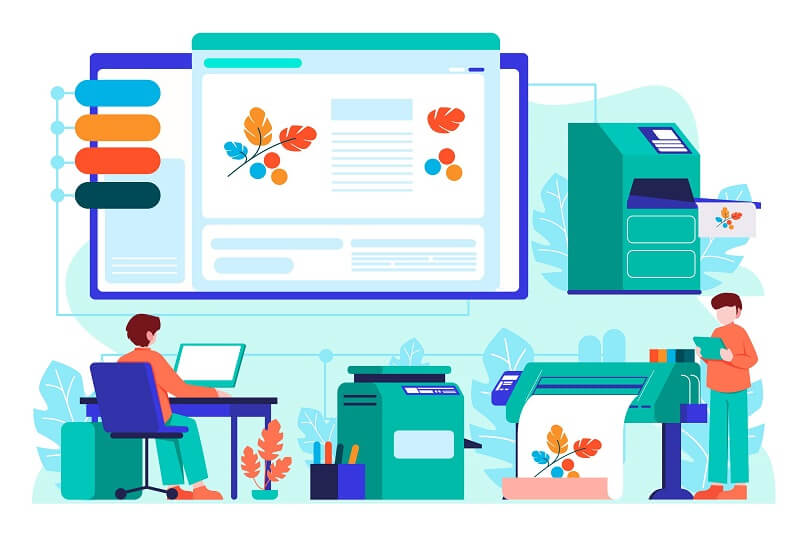
As we look toward the prospects of web-to-print technology,, the fusion of artificial intelligence and machine learning is set to revolutionize the way print shops operate. These developments will enhance automation capabilities, allowing for smarter order processing and customer interactions. By leveraging data-driven insights, print businesses can refine their workflows, simplify order fulfillment, and offer highly customized products that meet the changing demands of consumers.
Sustainability is another vital trend shaping the prospects of web-to-print solutions. As environmental concerns increase, print shops are increasingly adopting sustainable practices. Web-to-print technology can support these initiatives by enabling accurate inventory management, reducing waste, and providing choices for sustainable materials. Forward-thinking businesses will leverage these capabilities to not only attract ecologically conscious customers but also to drive operational efficiencies.
The emergence of cloud-based solutions is changing how print companies manage their operations. Cloud technology allows for enhanced accessibility and collaboration, enabling teams to work remotely and access essential tools from anywhere. This shift not only enhances productivity but also creates opportunities for lesser print shops to compete on a broader scale. As technology continues to evolve, print businesses must stay ahead by embracing these emerging trends and innovations to thrive in the competitive landscape.